Why This Matters
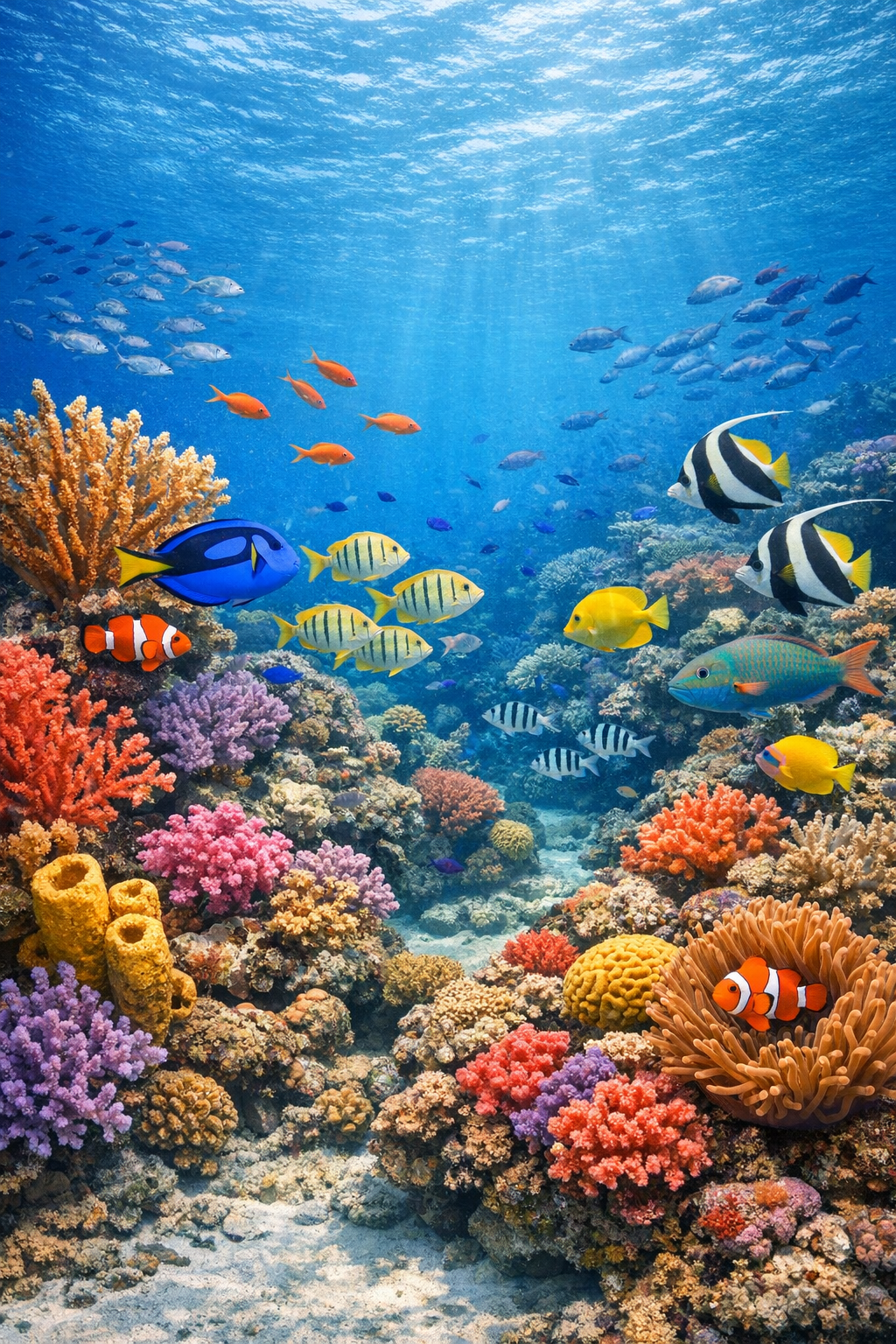
Coral reefs are some of the most diverse places in the ocean, supporting many species. They also protect coastlines and support fishing and tourism industries. When coral reefs collapse, many animals lose their homes, and human communities face economic and environmental risks.
What Researchers Observed
Scientists have noticed that recent government policy changes, including loosening rules on endangered species and expanding military activities, are leaving Pacific coral reefs less protected. These actions reduce legal safeguards that help reefs survive against threats like climate change and pollution.
How This Affects the Real World
As protections decrease, coral reefs become more vulnerable to damage and degradation. This could lead to faster reef breakdown, hurting marine life depending on these ecosystems. Additionally, communities relying on reefs for food and income may face hardships as the reefs decline.
What Happens Next
If current policies continue, scientists warn that coral reef collapse could speed up. To help reefs survive, stronger legal protections and eco-friendly practices might be necessary. Protecting reefs means preserving ocean health and the benefits they provide to people.
Insight Casual : New policies may weaken coral reef protections, risking faster reef collapse in the Pacific’s richest ecosystems.
Source: Mother Jones