Have you ever felt that unsettling moment when something familiar suddenly feels strange? That’s déjà vu. But did you know there’s a lesser-known experience called jamais vu that flips this feeling entirely?
Why This Matters
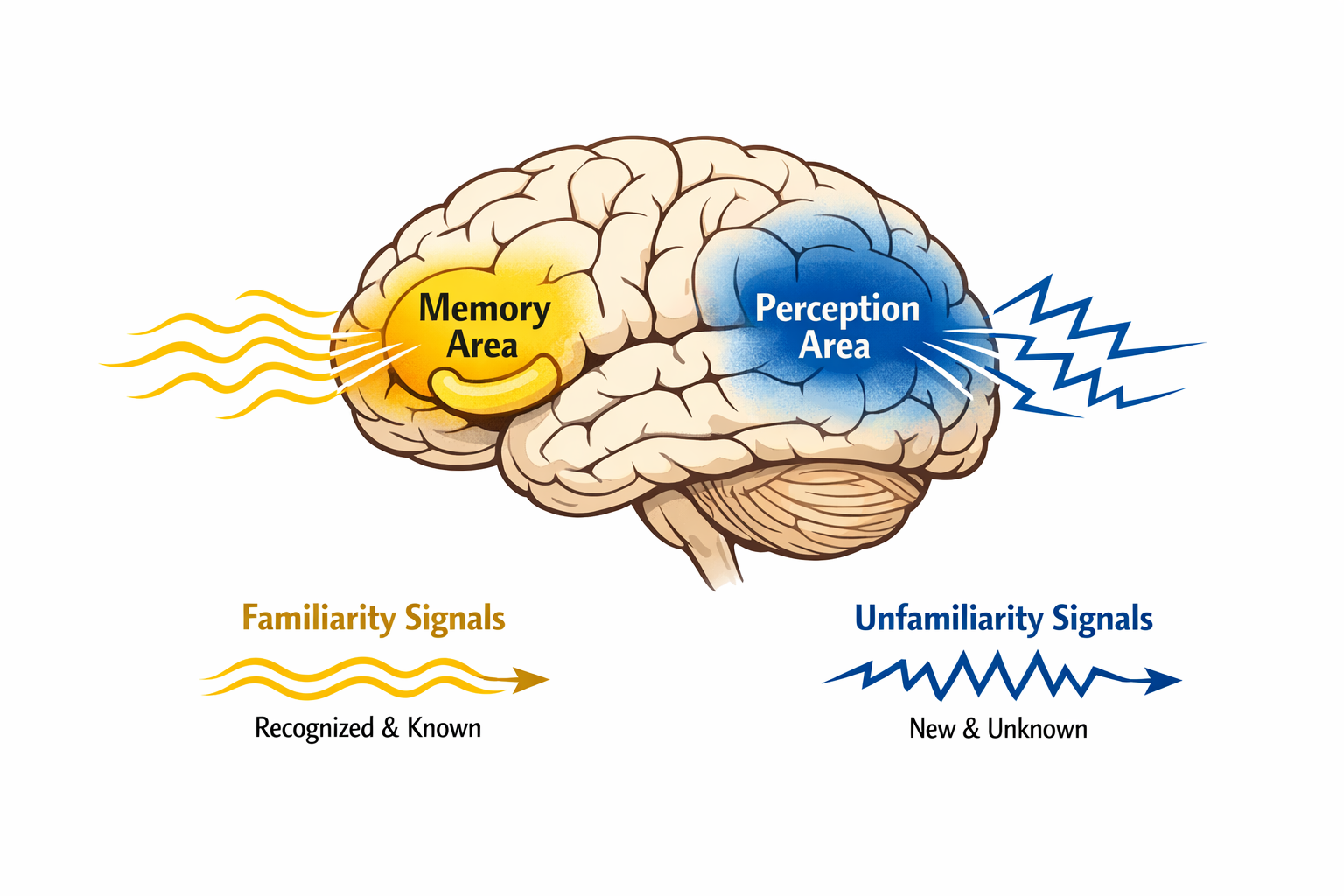
Déjà vu is a common feeling where something seems oddly familiar, even if you know it shouldn’t be. Jamais vu, on the other hand, is its opposite — it’s when something you definitely know feels completely unfamiliar. Both these experiences involve our memory and perception, which are key to how our brain understands the world.
What Scientists Found
Recent research has started to uncover more about jamais vu, a strange sensation that many people rarely talk about. While déjà vu has been studied for a long time, jamais vu offers new clues about how our brain processes and remembers events. The study gave us new perspectives on how memory can sometimes trick us into feeling lost or confused even in familiar situations.
The Bigger Picture
Understanding both déjà vu and jamais vu could unlock hidden details about human cognition. These experiences hint that our brain’s memory system is not as straightforward as it seems. Instead, it plays with feelings of familiarity and unfamiliarity, showing just how complex and mysterious our mental processes are.
What Happens Next
The more scientists learn about these curious experiences, the closer we get to understanding how memory works in the brain. This could eventually help in recognizing or treating problems related to memory and perception, though much more research is still needed.
Insight Casual : Déjà vu and its mysterious opposite, jamais vu, reveal just how strange and fascinating our brain’s memory can be.
Source: Futura Sciences