Why This Matters
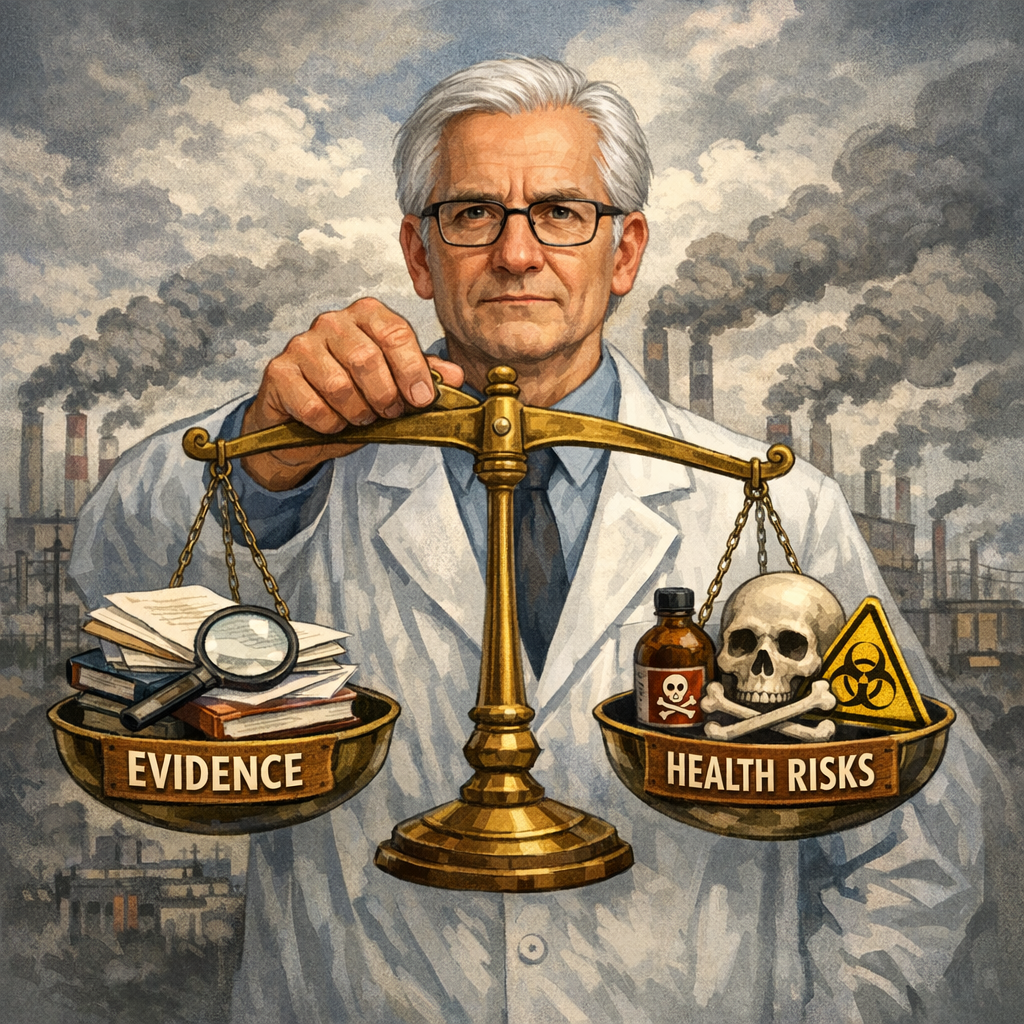
Environmental regulations help protect our health by limiting dangerous pollution. But new laws in four states are changing how these rules can be enforced. Now, regulations must prove a clear, direct link to physical harm—not just a higher chance of disease. This creates a huge challenge for science and safety.
What Researchers Observed
Scientists say these new laws set an “insurmountable burden of proof.” This means it’s almost impossible to meet the strict legal standard. Diseases and long-term health risks often develop over time and involve many factors, making direct proof difficult to show.
How This Affects the Real World
These laws could stop states from acting against pollutants that raise health risks. Without clear rules, dangerous chemicals or pollution might stay in the environment longer. People may face increased exposure to harmful substances without protections.
What Happens Next
This shift could slow down or block new environmental health regulations. It raises questions about how states will balance economic interests with protecting public health. Scientists and advocates may need to find new strategies to show and communicate environmental risks clearly.
Insight Casual : New laws demand direct proof of harm to limit polluters—making health protections harder to enforce.
Source: Inside Climate News