Unexpected Impact on Airborne Science
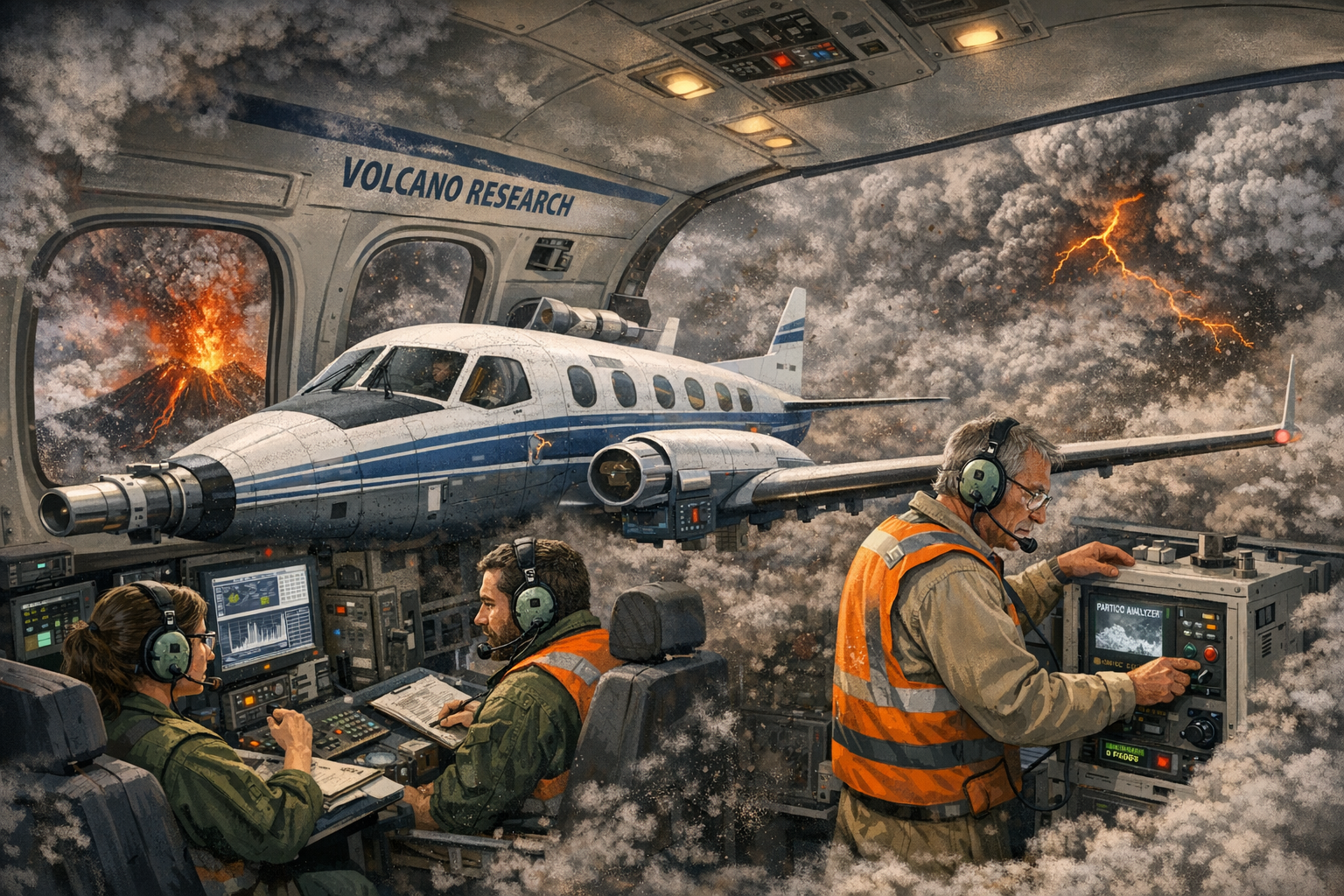
When the Icelandic volcano erupted in 2010, it sent ash clouds halting flights across Europe. Faam, a special flying lab, helped scientists study this rare event up close. Now, with Faam losing its government funding, this kind of airborne science faces a serious setback.
Why This Matters
Faam’s work isn’t just about flying through ash clouds. It helps researchers understand the atmosphere’s changes during natural events like eruptions. Without this flying laboratory, scientists lose a key tool for measuring air quality and studying how volcanic gases affect climate and safety.
What Researchers Observed
The lab was essential for collecting real-time data high in the sky—data that can’t be gathered from the ground or satellites alone. During the Icelandic eruption, Faam provided close-up insight into volcanic ash that helped officials make safer decisions about air travel. This is a prime example of how invaluable the lab’s contributions have been.
How This Affects the Real World
Without Faam, future volcanic eruptions could cause more disruptions. Scientists might not have the immediate, clear picture needed to guide airlines and protect travelers. It also limits understanding of atmospheric conditions that affect daily weather and climate research.
What Happens Next
The grounding of Faam highlights a challenge for funding specialized science tools. The loss makes it harder to prepare for natural hazards in the air. Moving forward, other methods or technologies will need to fill this gap, but replacing a unique flying laboratory isn’t simple.
Insight Casual : Cutting funding for Faam grounds a crucial flying lab, slowing airborne science that protects our skies from volcanic ash hazards.
Source: The Times