Why This Matters
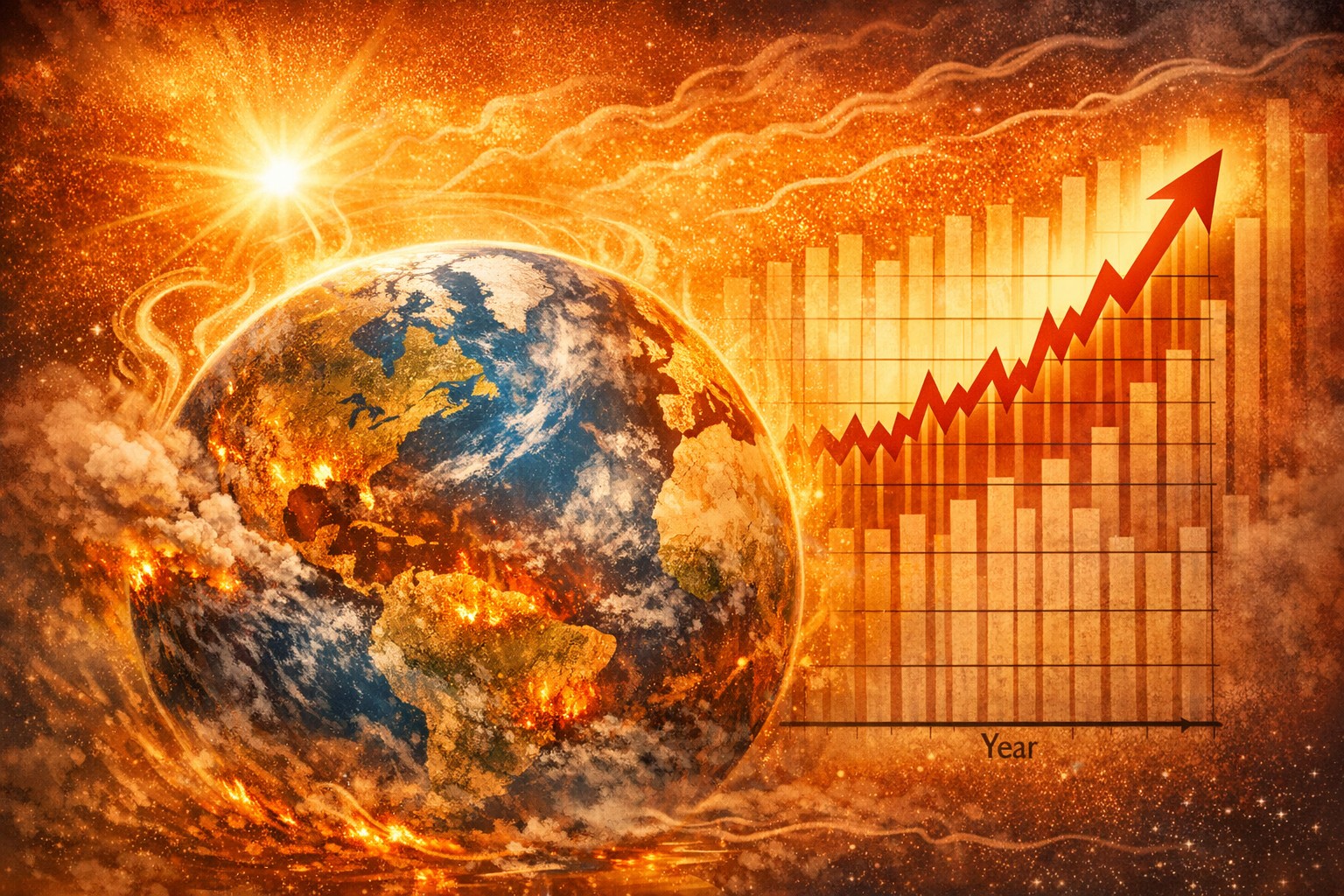
You might think global warming happens at a steady pace, but new research reveals something different. Around 2015, the Earth’s temperature began rising faster than before. Understanding this change is important because it shapes how we think about the climate crisis and what actions we might need.
What Researchers Observed
Scientists looked closely at temperature records and removed short-term natural effects, such as El Niño events, volcanic eruptions, and changes in solar activity. After filtering these out, they noticed a clear increase in the long-term warming trend starting about 2015. This means human-caused warming is getting stronger over time.
How This Affects the Real World
When the planet warms faster, it can lead to more extreme heat, weather changes, and impacts on ecosystems. Although the study doesn’t explain the exact reasons for this speed-up, recognizing it helps governments and communities prepare better for future climate challenges.
What Happens Next
With this new insight, scientists can refine climate models to better predict future warming trends. It also highlights the ongoing importance of tracking Earth’s temperature carefully. More studies will likely follow to explore why this acceleration began and what it means globally.
Insight Casual : Earth’s warming has sped up since 2015 after removing natural ups and downs—a clear sign our planet is heating faster than before.
Source: ScienceDaily