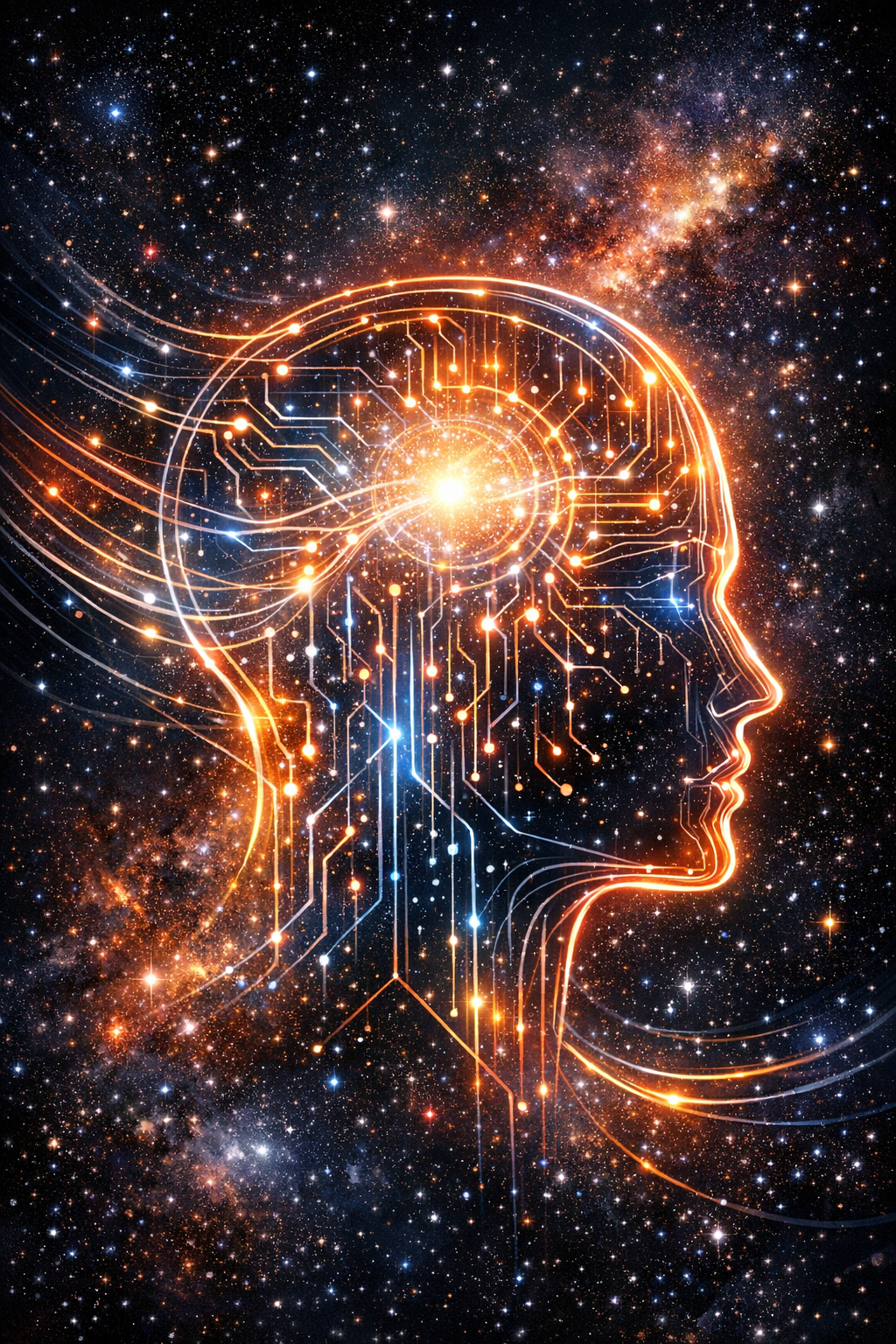
Humans have long wondered if machines could ever think or be conscious like us. But what if some parts of consciousness are just beyond the reach of artificial intelligence? Michael Pollan explores this idea, suggesting that human consciousness is deeply tied to our own minds in ways AI can’t match.
Why This Matters
Understanding consciousness isn’t just a scientific puzzle—it touches how we see ourselves and technology. If AI can’t copy consciousness, it changes what we expect from machines and shifts how we think about intelligence itself.
What Researchers Observed
Pollan points out that consciousness might be wrapped up in our own subjective experience. This means that studying it scientifically could be tricky because our own conscious minds are part of the problem. It’s not just a thing to observe but an experience to have.
How This Affects the Real World
If AI lacks true consciousness, its abilities might always be limited to calculations and pattern recognition. This influences how we use AI and what we ask of it—tools to assist us, but not to replace the rich inner life humans have.
What Happens Next
The search to understand consciousness is likely to keep bouncing between science and philosophy. Technology may advance, but the mystery of our conscious experience might remain separate, inspiring curiosity rather than replication.
Insight Casual : AI can mimic tasks but may never capture the unique experience of human consciousness. Some mysteries are tied to minds, not machines.
Source: Scientific American