Unexpected Discovery
Sometimes, science reveals surprises in the quietest ways. Scientists stumbled upon a new species that fits the rare group called “living fossils.” These creatures look very similar to ancestors that lived hundreds of millions of years ago. Finding one is like seeing a window into the past.
Why This Matters
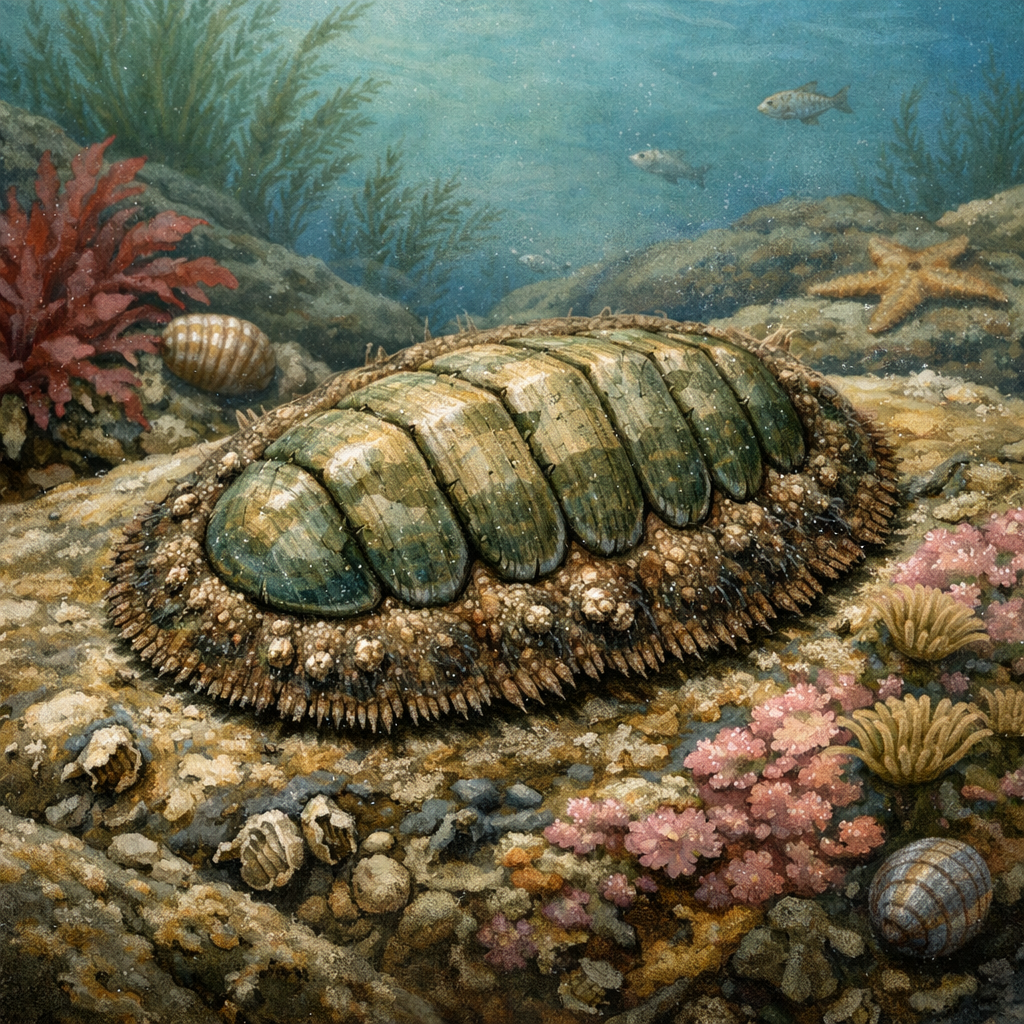
This species belongs to chitons, animals that have hardly changed for 300 million years. Usually, species evolve and change a lot over time. That this new species still looks ancient helps scientists understand the slow pace of evolution in some creatures.
What Researchers Observed
Scientists discovered the animal by accident. It surprised them because its body shape and features closely matched creatures from the distant past. These chitons have remained nearly the same while many other species around them changed a lot.
How This Affects the Real World
Finding a living fossil adds valuable knowledge about life on Earth. It shows how some species can survive long periods without much change. This helps researchers explore why some animals evolve fast and others stay steady.
What Happens Next
With this find, scientists will likely study the new species to learn more about its habits, environment, and survival strategies. This could shed light on evolutionary processes and why some species are such resilient survivors.
Insight Casual : Scientists discovered a new species that looks almost identical to its 300-million-year-old ancestors—a rare living fossil!
Source: Popular Mechanics